Week 33 | 10–16 August 2026 Published Monday, 17 August 2026
INDIA STATUS: AMBER 🟡
ASIA STATUS: AMBER 🟡
GLOBAL STATUS: AMBER 🟡
India is AMBER this week because there were no confirmed new fatal commercial-airline accidents in the 10–16 August reporting window, but the Air India Phuket–Delhi serious-incident investigation deepened, an operational training-aircraft runway excursion at Baramati remained under review, and a firearms-discharge event at Varanasi Airport exposed an airport-security risk.
Asia is AMBER because of a lightning strike involving a China Southern Airbus A321 at Shenzhen and continued attention on turbulence, weather and navigation resilience across regional operations.
Global status remains AMBER because the week’s main developments were investigation, airworthiness and infrastructure-resilience issues rather than a new large scheduled-airline fatal crash.
1. Week in Safety
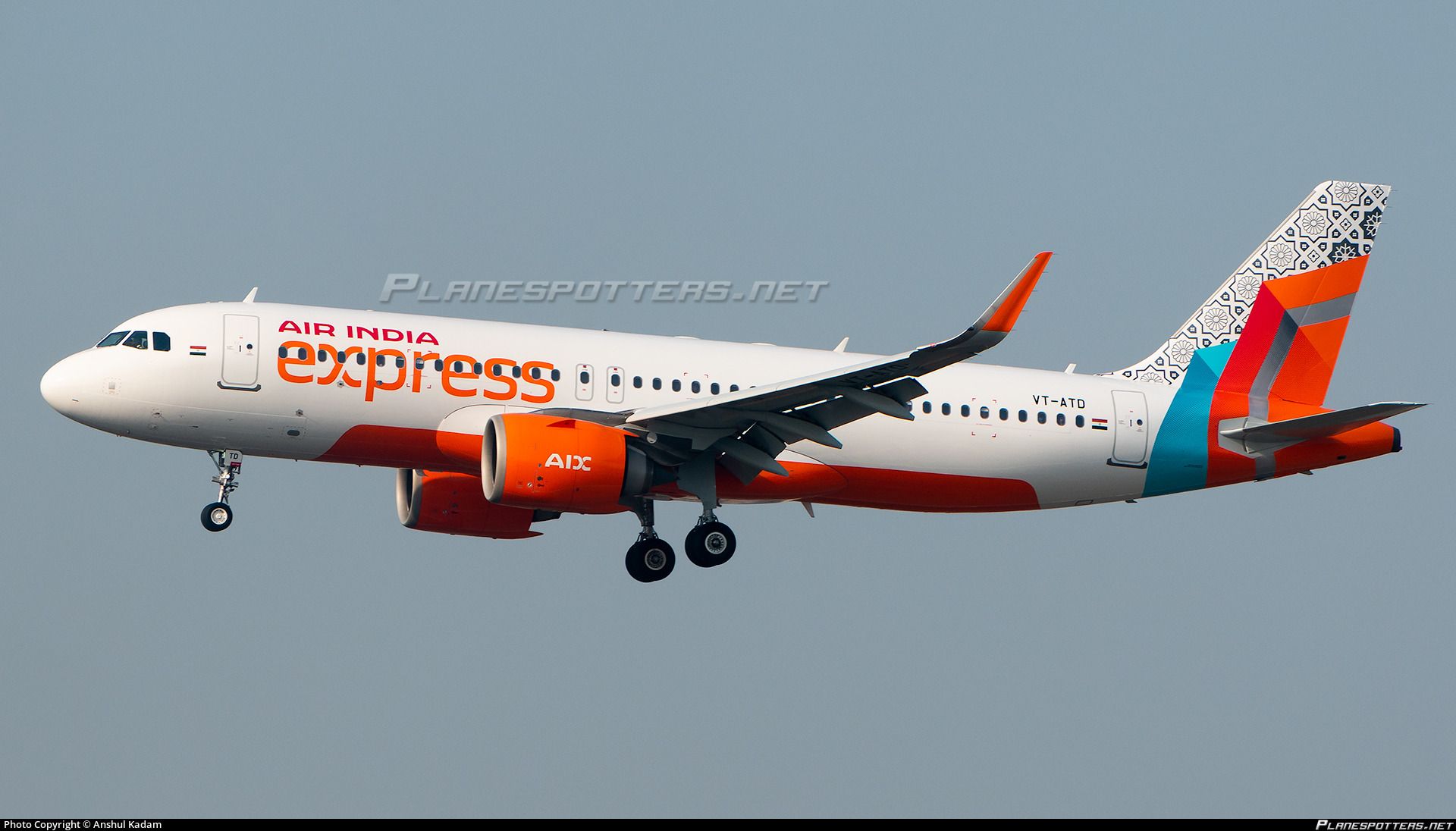
The week’s most significant Indian safety development was the escalation of the investigation into Air India flight AI2379 from Phuket to Delhi. The Airbus A320neo experienced an approximately 300-foot altitude loss during cruise on 4 August, injuring 17 passengers and crew members before stabilising and landing safely in Delhi. The event falls outside this week’s occurrence window, but major investigation developments occurred during the week and therefore remain relevant.
AAIB is conducting the investigation under ICAO Annex 13 procedures, and France’s BEA and Airbus are expected to provide specialist assistance. The aircraft’s recorders have been secured, the aircraft has been examined, and both flight crew members were removed from roster pending the investigation.
The key operational point is that the event remains unresolved. Early reporting identified severe turbulence and a sudden altitude variation, but the investigation must separately assess meteorological conditions, aircraft-system performance, flight-crew handling, cockpit workload, cabin readiness and any relevant human-performance evidence. The initial test result concerning the pilot-in-command requires confirmatory laboratory analysis; it is not a conclusive finding of impairment or causation.
2. India Safety Watch
India’s immediate safety risk this week remains linked to the lessons emerging from AI2379: cabin preparedness, seat-belt compliance, weather avoidance, aircraft-system reliability and transparent evidence-led investigation. The 17 injuries are a reminder that turbulence and abrupt flight-path changes can cause serious harm even when an aircraft lands safely and remains controllable.
At Baramati airfield in Maharashtra, a Cessna 172 training aircraft with two people on board veered off the runway during a training exercise. No one was injured, but the aircraft sustained damage and a DGCA air-safety team was assigned to conduct a preliminary investigation. Training operations should treat runway excursions as serious learning events like runway condition assessment, aircraft energy management, crosswind technique, decision-making and instructor supervision all deserve close review.
A separate event at Varanasi Airport was an airport-security incident rather than an aircraft-occurrence event. Reporting said an Air India passenger’s licensed firearm accidentally discharged, critically injuring two CISF officials. Authorities will need to establish how the weapon was handled, secured and screened, while avoiding speculation before a formal inquiry establishes the circumstances.
3. Asia Safety Watch
At Shenzhen Baoan International Airport on 10 August, a China Southern Airbus A321 was reportedly struck by lightning while taxiing. Inspectors identified 20 strike marks and the aircraft was grounded for examination, delaying the service by about four hours. Lightning strikes are a recognised operational hazard. The safety value lies in prompt inspection of affected aircraft structure, radome, antennas, composite surfaces and electrical systems before return to service.
The regional operating environment continues to demand caution around convective weather, frequent thunderstorms and rapid weather changes. Aircraft are designed to withstand lightning exposure, but the event at Shenzhen shows why inspection processes and dispatch flexibility remain essential during the summer thunderstorm season.
Asia’s safety score remains AMBER because the current risk pattern is diffuse rather than driven by one catastrophe: weather-related exposure, navigation resilience, airport congestion and the continuing need for strong investigation and reporting culture.
4. Investigation Update
The AI2379 investigation is now the most important active Indian safety inquiry. AAIB is leading the investigation, with French BEA and Airbus support expected because the aircraft is an Airbus A320neo and the event occurred on an international sector departing Thailand.
The investigation should be judged by evidence, not public pressure. A serious incident does not establish fault. The final analysis must reconstruct the aircraft trajectory, compare meteorological information with flight-recorder data, establish when seat-belt and cabin-service instructions were issued, examine the flight crew’s response, and assess the confirmed results of all required post-occurrence procedures.
The Baramati Cessna 172 excursion also warrants a formal learning review. Although there were no injuries, training-aircraft events can reveal gaps in local runway safety, instructor oversight or pilot decision-making that should be addressed before they recur.
5. Regulatory Radar
EASA issued or updated several airworthiness actions during the period, underscoring the continuing importance of fleet-specific compliance monitoring.
On 11 August, EASA issued a revised directive affecting Dassault Falcon 7X aircraft. The directive requires affected aircraft to receive an upgrade to the modular avionics integrated computer software within the stated compliance period.
EASA also listed an airworthiness directive issued on 11 August concerning emergency-power-supply-unit battery packs and functional checks. Such directives matter because emergency power systems are designed to support essential functions during abnormal and emergency conditions, making life-limit and functional-verification compliance a core continuing-airworthiness task.
In the United States, the FAA issued notices concerning planned GPS interference testing in Mississippi, Alaska and Utah during August. These are controlled testing activities, not evidence of a live aviation security incident, but operators and general-aviation pilots need to review NOTAMs, understand the operating area, and retain alternative navigation capability where relevant.
6. Safety Data Point
The Air India AI2379 serious incident caused injuries to 17 people: passengers and cabin crew.
That number matters because it demonstrates how a survivable in-flight event can still become a mass-injury event inside the cabin. Cabin injury prevention depends heavily on early and clear seat-belt instructions, rapid suspension of cabin service when conditions deteriorate, secure stowage, and crew readiness for a sudden change in aircraft attitude or altitude.
7. Safety Story of the Week
The key safety story this week is not whether turbulence can happen; it is whether the aviation system is prepared when it does.
AI2379 shows that safety is built through several layers: accurate weather assessment, conservative route and altitude planning, pilots who manage unexpected flight-path changes, cabin crew who can protect passengers quickly, and investigators who can determine the facts without premature conclusions.
The Shenzhen lightning strike adds a related lesson. Weather events do not become safety failures merely because they occur; the outcome depends on detection, aircraft resilience, inspection quality, maintenance discipline and operational decision-making.
For Indian operators, the practical requirement is to convert recent events into measurable action: reassess turbulence-reporting procedures, verify cabin-service thresholds, review flight-crew and cabin-crew coordination, reinforce weather-risk briefings, and communicate investigation updates with accuracy and restraint.
8. Weather and Airspace Hazards
Thunderstorm and convective-weather exposure remains the main operational hazard across India, Southeast Asia and southern China during this period. Risks include turbulence, lightning, hail, windshear, poor visibility, contaminated runways and diversions. The Shenzhen event and the continuing AI2379 investigation make this a priority for airline operations teams this week.
GPS-interference testing notices in the United States are also relevant to international operators, business aviation and pilots planning routes through the affected areas. The FAA notices cover testing at Camp Shelby in Mississippi, Denali in Alaska and Dugway Proving Ground in Utah.
The operational message for the week is simple, weather resilience, navigation redundancy and cabin readiness are not separate safety topics. They are parts of the same system, and they must work together when conditions deteriorate quickly.