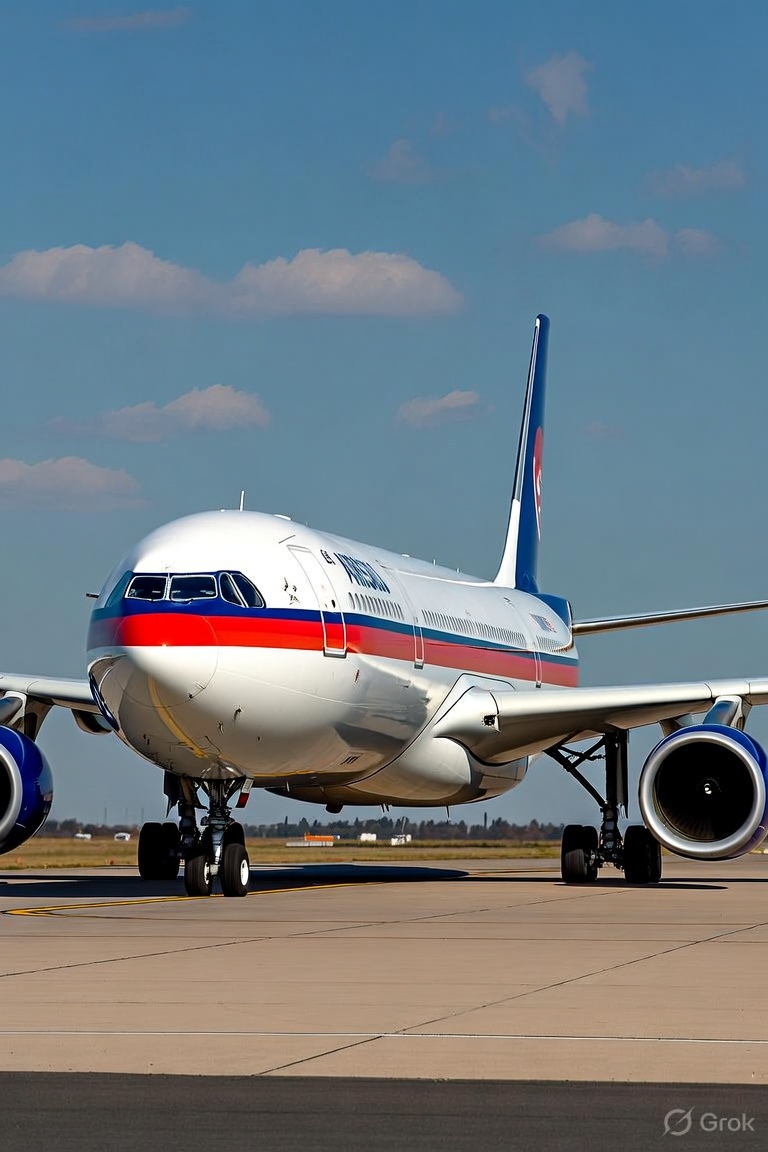
As the aviation industry navigates record passenger demand alongside fuel volatility and supply chain pressures, the 26-year-old Airbus A330 family continues to defy retirement predictions, powering profitable operations for carriers from Beijing to Istanbul and beyond.
Air China’s recent deployment of A330-300s on fresh European routes, including daily Beijing Daxing–Milan services launched in June, underscores the type’s enduring role. “The A330 gives us the perfect balance of capacity and economics for these growing markets,” an industry source familiar with the carrier’s strategy noted, as Chinese majors expand international networks amid a broader recovery.
Turkish Airlines, one of the largest operators, is ramping up China flights using its A330 fleet, capitalizing on hub connectivity that has bolstered its bottom line. Meanwhile, Delta Air Lines—the global leader with dozens of A330s—credits the aircraft’s reliability and cabin upgrades for supporting premium revenue growth on key transatlantic corridors.
Industry analysts point to the A330neo’s momentum, with hundreds of orders and production ramps planned, as evidence of sustained demand. “It’s not the flashiest widebody, but few match its profitability on the routes that matter most,” said one forecaster, highlighting 14–25% efficiency gains that help airlines weather economic headwinds.
With global airline net profits projected around $41 billion (or adjusted lower amid challenges), the A330’s workhorse status—proven across 150+ operators—remains a quiet success story. As older ceo models soldier on and neo variants deliver, the “best midsize widebody” shows no signs of slowing down. Fleets will continue evolving, but for many routes in 2026, the A330 is still the smart money choice.