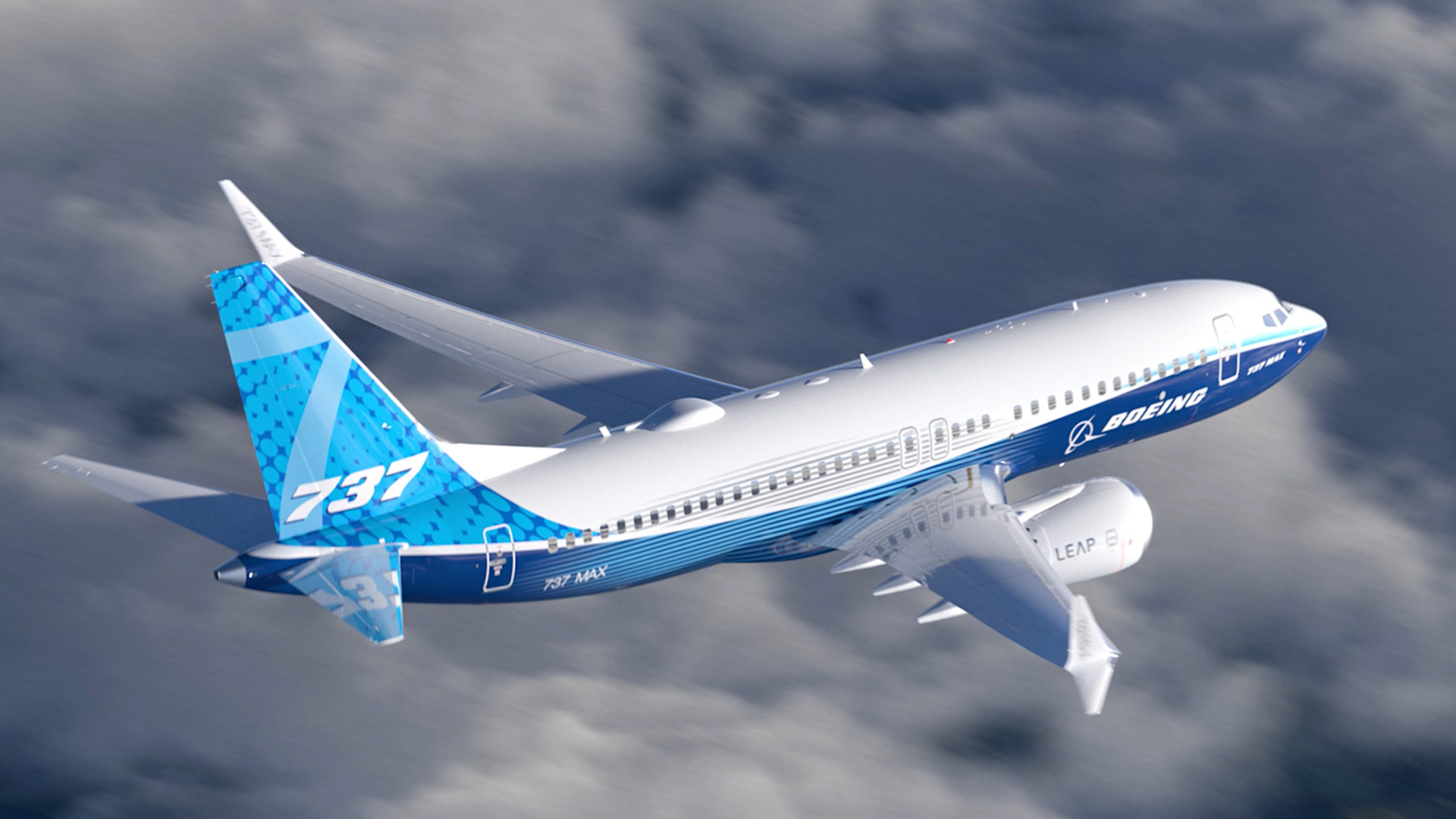
The longest 737 MAX is taking the longest route to certification. In mid-2026, the MAX 10 is still in the test board, even though the MAX 8 and MAX 9 have been back in commercial service for years. United has staked part of its narrowbody future on it with roughly 270 orders, Ryanair wants about 150, and Indian planners talk about the MAX 10 as the high-density workhorse for their next decade of growth. All of them are watching one question. What exactly is blocking certification, and when will this stretched MAX finally fly paying passengers.
The short answer is that the hold-up is not one big problem it is three layers of caution on top of each other. Technical fixes, crew alerting politics, and a regulator that still carries the scars of the original MAX crashes.
On the technical side, the longest delay came from something that has nothing to do with MCAS. Regulators flagged a risk in the engine anti-ice system, worried that prolonged use in certain conditions could overheat parts of the nacelle and damage the structure. Boeing had to redesign the system across the family and then prove the fix in flight tests. That took years, and it pushed both the MAX 7 and MAX 10 certifications out to 2026. Only once the anti-ice redesign was accepted did the FAA clear the full flight test envelope for the MAX 10 allowing Phase 2 Type Inspection Authorization flights covering avionics, propulsion and design details.
Crew alerting has been the political shadow. After the two fatal MAX accidents in Indonesia and Ethiopia, Congress tightened rules on how new transport category aircraft handle cockpit alerts. Lawmakers wanted modern, harmonised alerting logic, not the layered system inherited from older 737s. That put the MAX 10, which is a derivative of a 1960s design, in the middle of a standards debate. Boeing spent much of 2023 and 2024 arguing that forcing a brand new alerting system into one variant would complicate fleets and training. In late 2024 and early 2025, compromise emerged allowing the family to continue with upgraded but familiar systems rather than a full glass clean sheet. That did not end the scrutiny. It did remove the risk of a forced cockpit redesign that would have added years.
The third layer is institutional. Since the grounding, the FAA and EASA no longer take any MAX derivative on trust. Every change is examined line by line, and every piece of credit Boeing earns in test flights is checked. That is why progress has sounded cautiously optimistic rather than triumphant. In January this year, the FAA cleared the MAX 10 into Phase 2 flight testing covering the final avionics and performance work. In April, FAA Administrator Bryan Bedford said the agency had not seen anything that would push certification beyond 2026. In June, FAA and EASA officials confirmed that they were in the final stages of closing out the last actions describing the remaining work as dotting i and crossing t rather than wrestling with new design issues.
The timeline second half 2026 for approval, 2027 for customer handover. certification late in 2026 entry into service the year after.
For United, Ryanair, Alaska, Delta and any Indian carrier eyeing the MAX 10, the impact is straightforward. Capacity planning has had to assume that the largest MAX will not be available for summer 2027 schedules. United has pushed more MAX 9s and A321neos into its medium-haul frame to cover peak routes while it waits for the higher seat count of the 10. Ryanair is already flying the MAX 8‑200, which gives similar density through extra exits. It treats the MAX 10 as a later step rather than an urgent need. Indian planners, including IndiGo, have kept their immediate fleet decisions anchored in A320neo family growth using the MAX 10 more as a future lever in long-term fleet charts than as a near-term asset.
If current timelines hold, the year-end will bring the type certificate, and 2027 will see the first revenue flight, probably out of a United hub on a thick trunk route where the extra seats can immediately earn their keep. When that happens, the MAX 10 will finally do what Boeing designed it to do, give the 737 family a real answer to the A321neo. Until then, the story remains one long final approach flown under the watchful eyes of two regulators who have made clear they will only clear the aircraft when every checklist line is closed.