Vietnam has moved past Thailand to become Southeast Asia’s second largest commercial aviation market by scheduled seat capacity. Data from OAG for July 2026 show Vietnam offering 7.4 million seats an increase of 5.6 percent from the same month a year earlier, while Thailand fell to 6.9 million seats a drop of 3 percent. Indonesia remains firmly in first place with 10.9 million seats. Vietnam Airlines itself became the largest single airline in the region by capacity during the month.
The shift arrives as overall Southeast Asian capacity contracted 1.2 percent year on year to 50.4 million seats. Higher fuel costs linked to Middle East tensions prompted several carriers to trim international flying. Thailand, Malaysia and the Philippines all recorded declines. Vietnam’s growth stood out against that backdrop for both domestic demand and continued expansion by its main carriers.
The ranking change challenges long-held assumptions about the region’s tourism and aviation hierarchy. Thailand has long been treated as the primary leisure hub with Bangkok serving as a major transit and destination point. Vietnam’s rise is built more on a combination of domestic traffic and growing international links rather than pure leisure transit volume. That difference raises practical questions about infrastructure.
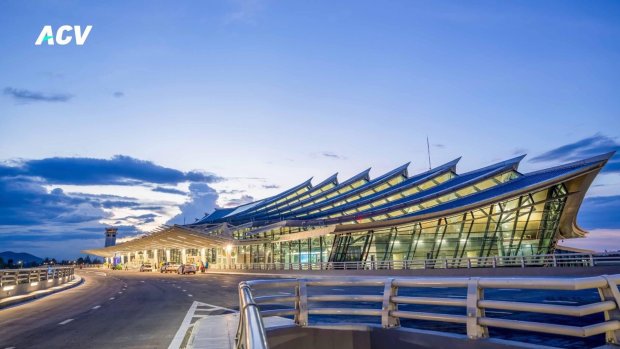
Vietnam’s main airports particularly those serving Hanoi and Ho Chi Minh City have expanded in recent years, yet sustained capacity growth will test runway terminal and air traffic management limits. Airspace congestion, ground handling and surface access already appear under pressure during peak periods. Further growth will require continued investment in both physical capacity and operational systems if delays and bottlenecks are to be avoided.
Airline finance forms another drag. Rapid capacity increases must be matched by sustainable yields and cost control especially when fuel prices remain elevated. Vietnam’s carriers have shown willingness to grow but the regional environment of thinner international margins and higher operating costs leaves less room for error.
The numbers for a single month do not guarantee a permanent reordering. Seasonal patterns fuel volatility and competitive responses from Thai and other regional airlines can shift the ranking again. What the July data make clear is that Vietnam’s aviation system is no longer the junior partner in ASEAN. Its airports and air traffic systems now face the test of converting higher seat numbers into reliable operations rather than simply celebrating the league table change.