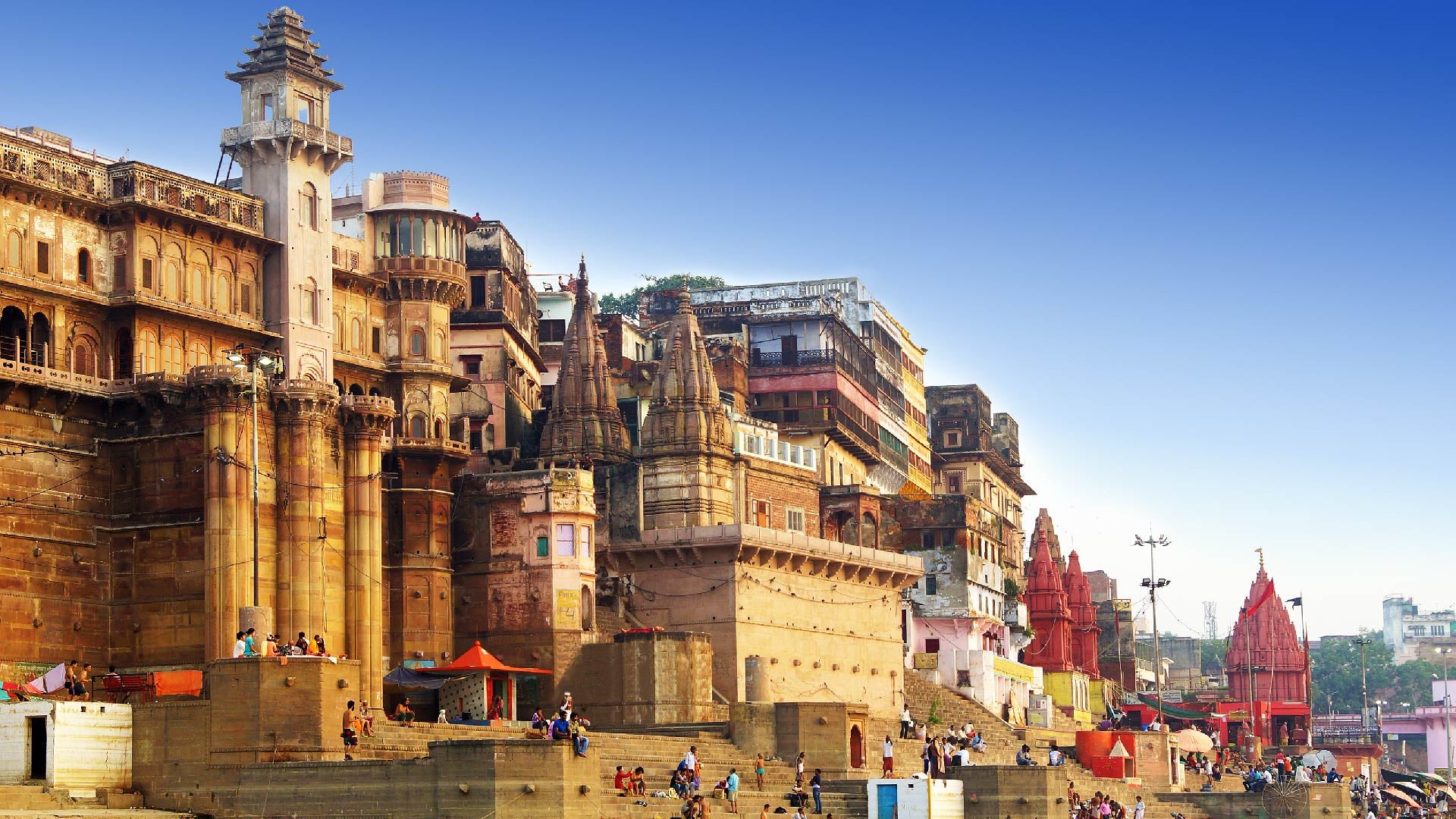
India’s civil aviation minister has launched direct connectivity between Vijayawada and Varanasi, explicitly framing the link as a bridge between the Kanaka Durga shrine and Kashi Vishwanath. IndiGo is operating the service three days a week as part of a longer Vijayawada-Varanasi-Kolkata routing. On the first day, the flights carried solid passenger loads in both directions. The political messaging is clear, air travel can serve pilgrimage as deliberately as it serves business.
That premise deserves scrutiny beyond the inauguration. Corporate demand has traditionally anchored India’s densest domestic routes. Pilgrimage and family travel follow different calendars. Major festivals, auspicious periods and temple events create sharp seasonal peaks rather than steady weekday loads. Fares must remain accessible to travellers who may visit once or twice a year rather than weekly. Aircraft utilisation has to absorb troughs between religious seasons. Airport capacity at both ends must handle sudden surges of passengers carrying luggage suited to multi-day stays rather than overnight business trips.
Vijayawada and Varanasi illustrate the opportunity and the risk. Both cities sit outside the classic corporate triangle yet command large and emotionally committed catchments. Direct air service removes a long surface or multi-stop journey and can convert latent demand into booked seats. The same service, however, may struggle to fill midweek flights outside festival windows or to generate the high-yield premium traffic that balances a route’s economics. Airlines must therefore design schedules, aircraft gauge and pricing around religious and family calendars rather than purely around corporate diaries.
India already operates many routes that depend on religious and VFR traffic. The question raised by the new corridor is whether that traffic can sustain a deliberate expansion of tier-2 to tier-2 links where business demand is thin. Success would require airlines to treat festival peaks as core revenue rather than anomalies, airports to plan staffing and ground transport for concentrated arrival waves, and regulators to accept that some regional routes will remain seasonal by design. Failure would leave the aircraft flying half-empty outside a handful of high days, undermining the case for further pilgrimage corridors.
The Vijayawada-Varanasi service is therefore a live experiment. If it can maintain viable loads across the year, it strengthens the argument that faith and family travel can underwrite domestic network growth where corporate demand cannot. If it cannot, the inauguration will remain a symbolic connection rather than a commercial template. India’s next phase of regional aviation may depend on which of those outcomes materialises.