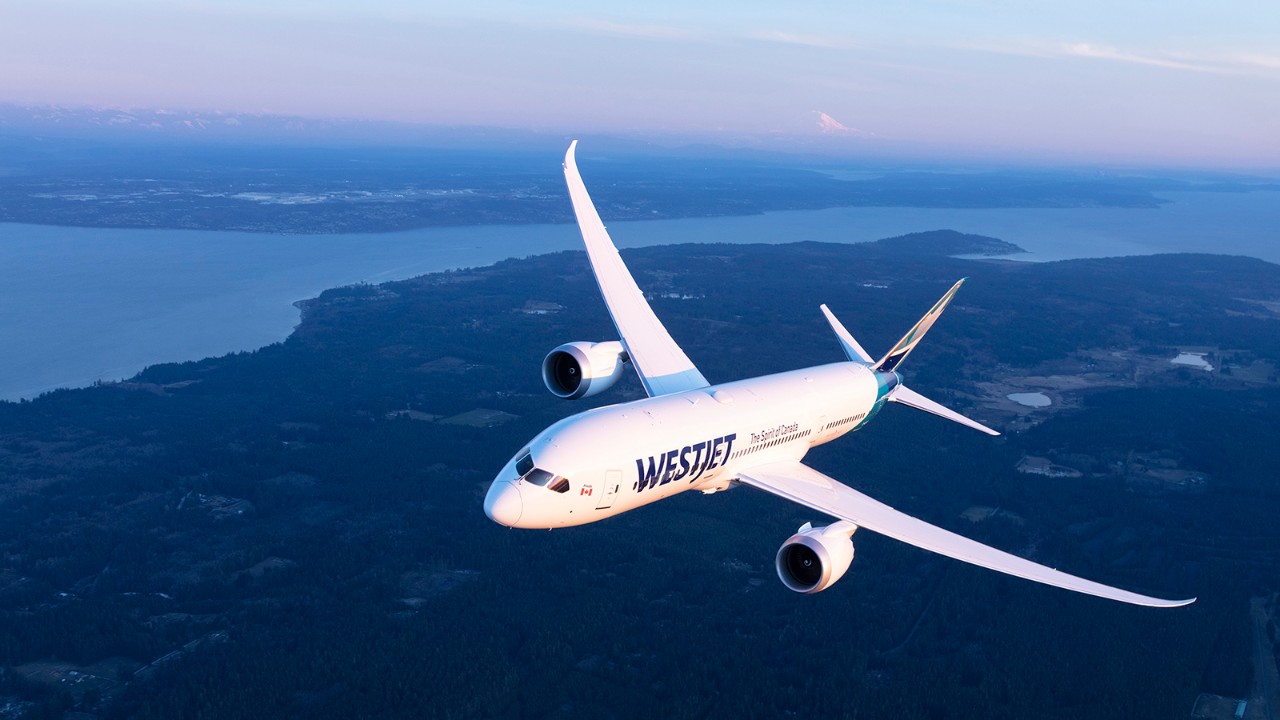
WestJet began parking Boeing 737s days before its flight attendants’ strike deadline, then watched the work stoppage take effect on 2 August after talks with CUPE Local 8125 collapsed. Hundreds of flights were cancelled and the mainline network was effectively grounded. The airline said the early parking of aircraft was intended to keep operational control and avoid stranding passengers and jets across the system. The union called the decision a choice that magnified disruption rather than an inevitable consequence of the dispute.
Meanwhile WestJet has said that "WestJet recognizes the decision for Cabin Crew to strike is not an easy one. Given this, it’s important to be clear about what was offered, what was not accepted, and what is leading to 250,000 guests whose August long weekend travel is cancelled, with further flights to follow, depending on the duration of the work stoppage."
WestJet has given the Flight Attendants Union CUPE Local 8125 details of wage increases across board: Effective October 1, 2026 -13.0% increase, Effective January 1, 2027 - 2.5% increase Effective January 1, 2028 - 2.5% increase, Effective January 1, 2029 - 2.5% increase
But employees are demanding retroactive wage payment to January 1, 2026 and a New Duty pay premium-a payment for all duty hours (additional pay for all hours worked designed to solve the union’s claim of unpaid work), equivalent to another 12% of salary increase Healthcare Spending Account: $300 in health spending per year Significant increase in per diem (meal allowance) rates: increase of 13% in 2026, and 2.5% every year thereafter Fifth week of vacation at 25 years of service Maternity leave top-up to 17 weeks postpartum New flexible part-time program (reduced block) Significant scheduling and quality-of-life improvements: one additional hour of rest at home base; increase to minimum rest away from base of one hour; out of base partial shift trades Premium payment when reassigned to an uncovered flight in a base Reduced duty day maximum when working three legs or more Payment when crew are faced with a delay accessing a hotel room on a layover
What matters beyond the immediate chaos is the sequence. Aircraft were removed from the flying schedule while negotiations were still under way. Labour risk was converted into a fleet decision in real time. That step changes the character of the standoff. Instead of waiting for a strike to force cancellations, management pre-emptively shrank available capacity, signalling both preparedness and willingness to absorb short-term revenue loss in exchange for leverage and network integrity.
The tactic is not entirely new, but its visibility is. Airlines have long adjusted schedules around possible industrial action. Explicitly parking a core fleet type before the legal window opens makes the connection between labour strategy and asset utilisation unmistakable. Other carriers watching the WestJet episode will note that grounding aircraft can function as both defensive risk management and an element of bargaining posture. Once that precedent is set, the practice can spread. Pre-emptive parking becomes another form of industrial leverage used by management to shape the cost of a stoppage and by unions as evidence that the company is already treating a strike as inevitable.
For WestJet the immediate cost is visible but a long-weekend network reduced to a fraction of its planned flying with Encore and codeshare services left to carry what they can. For the wider industry the longer question is whether parking aircraft ahead of labour deadlines becomes standard practice. If it does, fleet planning and industrial relations will no longer operate on separate clocks. The decision to fly or park will itself become part of the negotiation.
The Flight Attendants Union, however, has served them a lawful notice but the management is magnifying the negotiable issue into a non-negotiable point causing bigger losses. Whether this is a prudent strategy or to negotiate an immediate deal with the union is something the management of WestJet has to take a call.