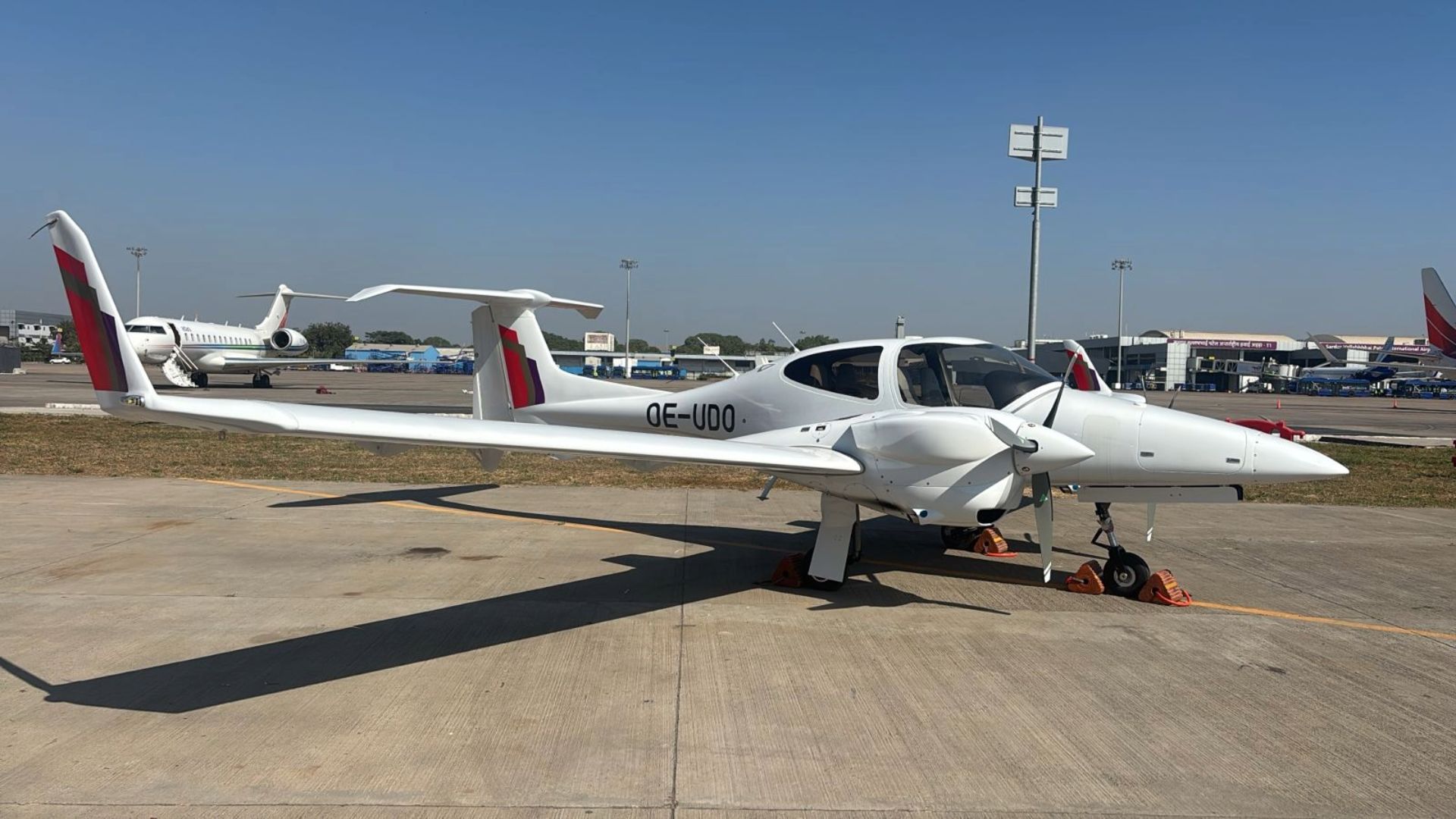
In the United States the number is almost a law. Airlines hiring under the restricted ATP still want a pile of time that a new commercial pilot does not have. In India the commercial licence itself is nearer 200 hours but the expensive wait is type rating, a right-hand seat and the unwritten hours an operator wants before it trusts a monsoon approach. Indonesia and the Philippines sell weather and cheaper flying. Australia sells a structured cadet path and a cost of living that eats the saving. Three people can hold the same paper and live three different debts.
The self-funded student borrows against a family house or a education loan and buys hours one dual circuit at a time. Fuel spikes, an unserviceable trainer and a failed check ride all land on the same account. The job after the CPL is often instructing at a wage that barely services the loan. The scholarship recipient is rarer than the brochure. A trust or a state academy cuts the flying bill and does not cut living costs, medicals or the year spent waiting for an examiner slot. The airline cadet looks richest and is often the most bound. IndiGo, Air India and Akasa-style programmes in 2026 planning guides run from the high tens of lakhs into a crore and more once type rating, foreign schools and forex sit on the invoice. The airline shares a path and takes a bond. Fail a phase and the clock, and sometimes the money, still belong to the candidate.
Compare the three and the cockpit is a filter for capital. Family support decides who can be on the ground when the monsoon closes the airfield. Instructor pay decides who can keep flying after the licence. Cadet selection decides who skips the worst of the hour-building market and who owes seven years. India’s FTOs quote CPL flying in the Rs.55–75 lakh band before type rating, the full journey is routinely planned at Rs.75 lakh to well over a crore. That is not a vocational course. It is a small-business investment made by a twenty-year-old.
The developmental question is not whether aviation needs pilots. It is whether the profession will keep drawing only those who can finance. A state that wants regional connectivity and a 100-airport map will eventually have to treat hour-building as infrastructure or accept that the next first officer was chosen by a loan officer first.