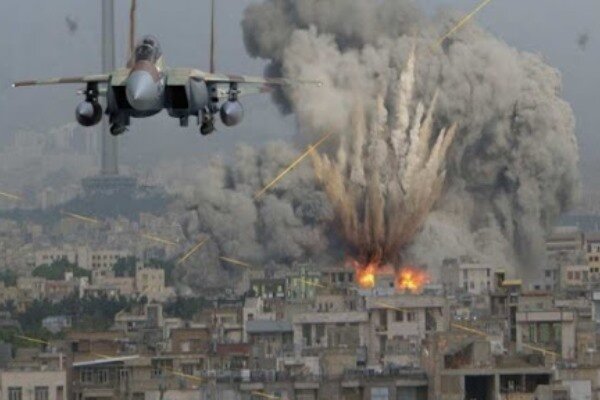
Sanaa International Airport has been a contested asset since the Houthis seized the capital in 2014. In March 2015 the Saudi-led coalition imposed a no-fly zone. Civilian flights stopped. On 29 April 2015 Saudi aircraft heavily damaged the sole runway and terminal, rendering the airport unusable for an extended period. Further closures followed in 2016 and 2017. Commercial operations remained suspended for years. Limited humanitarian and evacuation flights continued under tight restrictions.
A United Nations-brokered truce took effect in April 2022. One of its practical results was the gradual reopening of Sanaa to limited commercial traffic. On 16 May 2022 the first Yemenia flight carried 151 passengers to Amman the first commercial departure in six years. Flights remained limited, mainly to Jordan and Egypt, and subject to political agreement. Direct links to Iran stayed prohibited. The truce never became a formal peace but direct Saudi-Houthi air and missile exchanges largely paused for four years.
On 3 July, an Iranian Mahan Air aircraft landed at Sanaa, the first direct Tehran–Sanaa flight since 2015. It collected a Houthi delegation travelling to the funeral of Iran’s late Supreme Leader. Yemen’s internationally recognised government in Aden called the flight a sovereignty violation. On 13 July, as the same aircraft attempted to return the delegation the runway was struck. Human Rights Watch analysis of satellite imagery recorded at least five munitions three of which hit the only working runway. Aden’s Defence Ministry claimed responsibility stating the aim was to block the Iranian plane. The aircraft diverted and landed at Hodeidah. The Houthis accused Saudi Arabia of the attack declared the de-escalation phase over and launched ballistic missiles and drones toward southern Saudi Arabia, targeting the Abha area. Saudi defences reported interceptions.
The Houthis also detained an International Committee of the Red Cross aircraft at Sanaa. The ICRC confirmed its staff and crew were safe. They warned commercial airlines against flying in Saudi airspace until the 'siege' of Sanaa airport was lifted. Yemen temporarily closed all its airports after the strike before reopening them hours later.
No confirmed civilian deaths or injuries have been publicly reported from the 13 July 2026 strikes on Sanaa’s runway itself. Coverage and rights-group analysis focus on the physical damage to the runway and the political escalation rather than a casualty count. The Houthi missile and drone launches toward Saudi Arabia were reported as intercepted. No Saudi civilian casualties from those specific launches have been confirmed in available reporting.
This absence of reported deaths on 13 July does not erase the wider human cost of the conflict. Between 2014 and the 2022 truce, airstrikes and cross-border attacks by both sides killed thousands of civilians and damaged critical infrastructure including earlier attacks on Sanaa airport. The July 2026 exchange is the first direct Saudi-coalition strike on Houthi-held territory and the first claimed Houthi missile attack on Saudi Arabia since the truce began. It returns a civilian international airport to the status of active military target and places humanitarian aircraft in the middle of the confrontation.
The four-year pause has ended with a runway cratered to stop a single flight. The practical question for airlines and aid agencies is whether Sanaa and the surrounding airspace can still be treated as navigable or whether the airport has once again become a permanent feature of the battlefield.