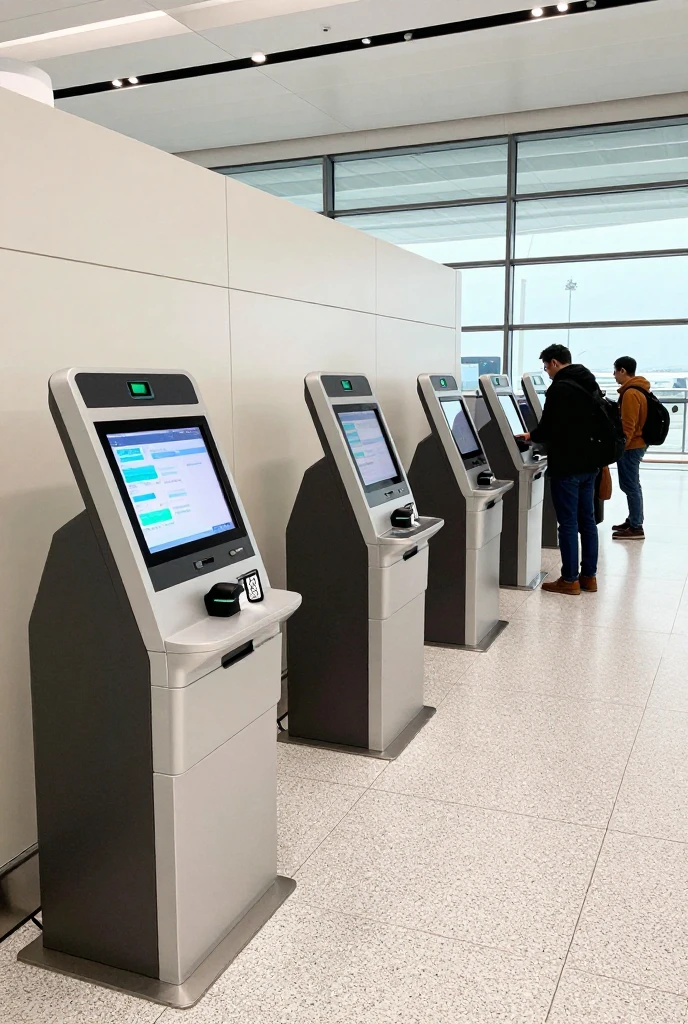
The airport of the future is no longer being defined by how big its terminals are or how many runways it has. Instead, it is increasingly being shaped by two invisible but powerful forces: digital identity and operational resilience. While glass-and-steel terminals still dominate headlines, the real transformation is happening in the background through biometric systems that remove physical friction and intelligent response mechanisms that protect against drones, extreme weather, and cyber threats.
Across the world, airports are quietly moving away from the old model of “build more concrete” toward “build smarter systems.” In the United States, over 250 airports are already rolling out digital identity programs. Europe is moving toward biometric-enabled border processes that could eventually allow near-unmanned airports. But perhaps the most striking example is unfolding in India.
Digi Yatra, India’s facial recognition-based boarding system, has already processed over 100 million passenger journeys as of June 2026 and is expanding rapidly. What began as a pilot at a few major airports has grown into one of the largest domestic biometric travel programs in the world. Passengers can now move from the airport entry to boarding gates using only their faces, without repeatedly showing boarding passes or IDs. This is not just a convenience feature it represents a fundamental shift in how airports manage passenger flow. Instead of building wider corridors or bigger security halls, Indian airports are using digital identity to increase capacity without proportional increases in physical infrastructure.
This model is gaining global attention because it directly addresses one of the biggest constraints in modern aviation-the passenger processing bottleneck. While building new terminals can take a decade and cost billions, biometric systems can be scaled relatively quickly and at a fraction of the cost. The success of Digi Yatra shows that in high-growth markets, digital identity can deliver capacity gains that physical expansion alone cannot match.
However, the airport of the future cannot only be about smoother passenger movement. It must also be resilient. The rise of drone threats, increasingly extreme weather events, and sophisticated cyber attacks have forced airports to rethink what “infrastructure” actually means. Detection and mitigation systems for drones are now being deployed at major hubs worldwide. Climate resilience planning from flood defences to heat-resistant infrastructure is becoming a standard part of airport master plans. Cybersecurity, once treated as an IT issue, is now viewed as a core operational risk.
What makes this shift particularly interesting is how these two trends digital identity and resilience are beginning to intersect. A truly smart airport will not just verify passengers biometrically. It will also use real-time data from biometric systems, weather sensors, drone detection networks, and cybersecurity platforms to make dynamic decisions. For example, during a sudden weather disruption or drone incursion, the system could automatically reroute passenger flows, adjust security screening levels, or even pause certain boarding processes all without human intervention at every step.
India’s experience with Digi Yatra offers a useful lens here. While the system has dramatically improved processing speed, it has also exposed new vulnerabilities. Any large-scale biometric network becomes a high-value target for cyber threats. At the same time, Indian airports are also having to build resilience against extreme weather events that are becoming more frequent. This combination rapid digitization alongside growing physical and digital risks makes India a live laboratory for the airport of the future.
The broader implication is that the most important investments in aviation infrastructure over the next decade may not be visible to passengers at all. They will be in data platforms, sensor networks, AI-driven decision systems, and counter-drone capabilities. The airports that succeed will not necessarily be the ones with the grandest terminals, but those that can move passengers seamlessly while remaining operational even when faced with drone incursions, cyber attacks, or climate disruptions.
In this emerging model, the airport is no longer just a building. It is becoming a digital nervous system one that verifies identity in real time and responds intelligently to threats. The winners in this new era will be those who understand that the future of aviation infrastructure is as much about code and sensors as it is about concrete and steel.