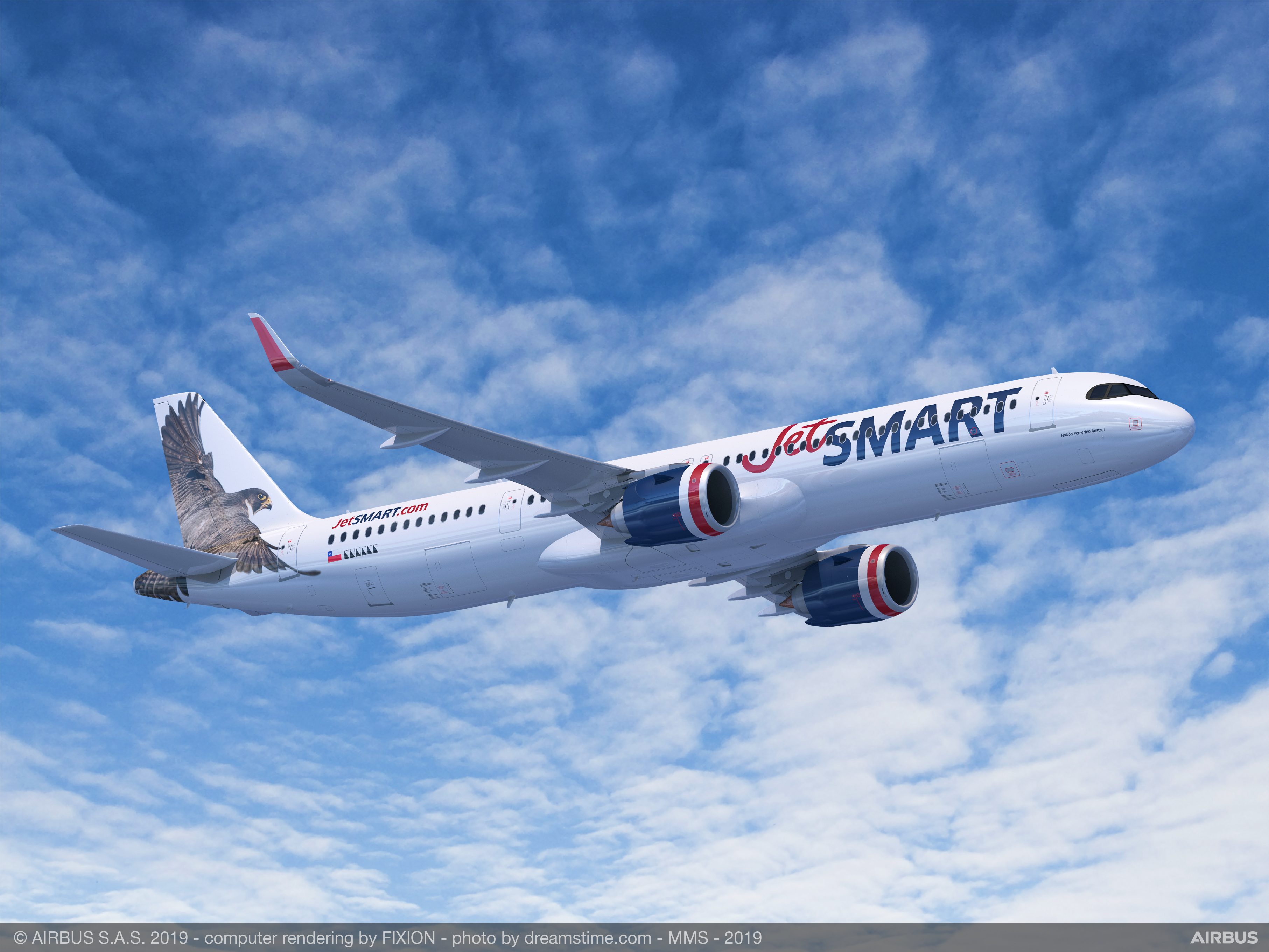
When IndiGo rolled its first Airbus A321XLR into Delhi on a January afternoon this year, it did more than add another aircraft type to an already huge fleet. It quietly opened a door that Indian aviation has been banging on for two decades. How do you connect Indian cities directly to Europe, East Asia and East Africa without the economics of a half-empty widebody killing the route before it can mature.
On paper the A321XLR is just another stretched A320 with extra fuel. In reality it is a different category of machine. With a range of about 8,700 kilometres the aircraft can fly up to nine hours with a full passenger load. That puts most of Western and Central Europe, almost all of East Africa and large parts of East Asia within one shot from Delhi or Mumbai.
The first A321XLR, registered VT NLA, did a week of Delhi–Mumbai shuttles as a shakedown exercise from 15 January to 22 January. Then it went straight into what the type was bought for. On 23 January it began three weekly non stop flights from Mumbai to Athens. A day later, it added three weekly flights from Delhi to Athens. One aircraft works the rotation Mumbai–Athens–Delhi–Athens–Mumbai, creating a continuous India–Greece bridge that did not exist before.
This is not a side project. IndiGo expects nine A321XLRs in calendar 2026 out of a firm order for forty. At its analyst and investor briefings the airline has made it clear that these jets are the spine of a new phase of international expansion. After Athens the next assignments are not surprise holiday routes but hard strategic moves. Delhi–Istanbul will flip to A321XLR replacing the A320neo operation via Ras Al Khaimah with a daily non stop in both directions. The same aircraft will take over existing Bali services which currently need fuel stops at Bhubaneswar and Chennai. The XLR turns those into clean non stop runs.
If you draw a range ring from Delhi or Mumbai the picture gets more interesting. London Heathrow, Gatwick and Birmingham all sit inside the XLR’s reach. So do Paris Charles de Gaulle, Amsterdam, Rome, Barcelona, Vienna, Prague, Warsaw. On the eastern side Tokyo, Seoul and most of Japan’s west coast fall inside the circle. Addis Ababa and Nairobi in East Africa do as well.
IndiGo has already applied for slots for London, Paris and Amsterdam under previous delivery timelines and has spoken openly about targeting Western Europe and Far East Asia once the aircraft are in steady service. Airbus has pushed the programme later than IndiGo originally planned and the airline acknowledges that reality. The current guidance is nine aircraft in 2026, with the rest of the forty arriving over several years rather than in one rush. That shifts some of the more ambitious routes further into the future, but it does not change the basic fact. For the first time an Indian carrier owns a narrowbody that can comfortably reach London or Tokyo without a fuel stop.
What does that mean in practice for passengers and for competitors The business end of the A321XLR is not an Emirates style bar in the sky. IndiGo will configure the aircraft in a high density dual class layout with a small front cabin and a larger economy cabin behind, closer in spirit to JetBlue’s Mint or Air Canada’s new A321XLR Signature Class than to a traditional widebody. The cabin will not win beauty contests against a Singapore Airlines A350 suite. That is not its job.
Its job is to make a nine hour flight from say, Delhi to Barcelona viable at fare levels Indian travellers can pay, without needing three hundred people on board every time. It is to give a city like Patna or Ahmedabad a one-stop connection to Paris through Delhi where both legs are flown by the same Indian carrier on narrowbodies that burn less fuel per seat than any widebody IndiGo could realistically afford to buy today.
For foreign competitors the arrival of the XLR in IndiGo colours is a concrete threat rather than a theoretical one. Aegean has already filed its own Delhi–Athens service in response to IndiGo’s move. Turkish will see its feed from IndiGo into Istanbul shift from wet-leased widebodies to IndiGo metal on a narrower jet but with better economics. Gulf carriers will watch closely any IndiGo attempt to fly deeper into Europe or East Asia over their hubs. The XLR does not make them irrelevant. It does give IndiGo options they have never had to deal with before from an Indian low-cost airline.
The real significance of the A321XLR for India is not that it can technically reach London. It is that it lets an Indian carrier experiment with long thin routes without betting the airline on every experiment. A twenty-year story of 'we cannot make long haul work' has always been tied to widebodies that were too big, too expensive and too unforgiving of half-empty cabins. IndiGo’s XLR fleet will not fix all of that in a year. A narrowbody with the range to redraw the map and an airline that has shown, domestically, that it knows what to do with a fleet lead.