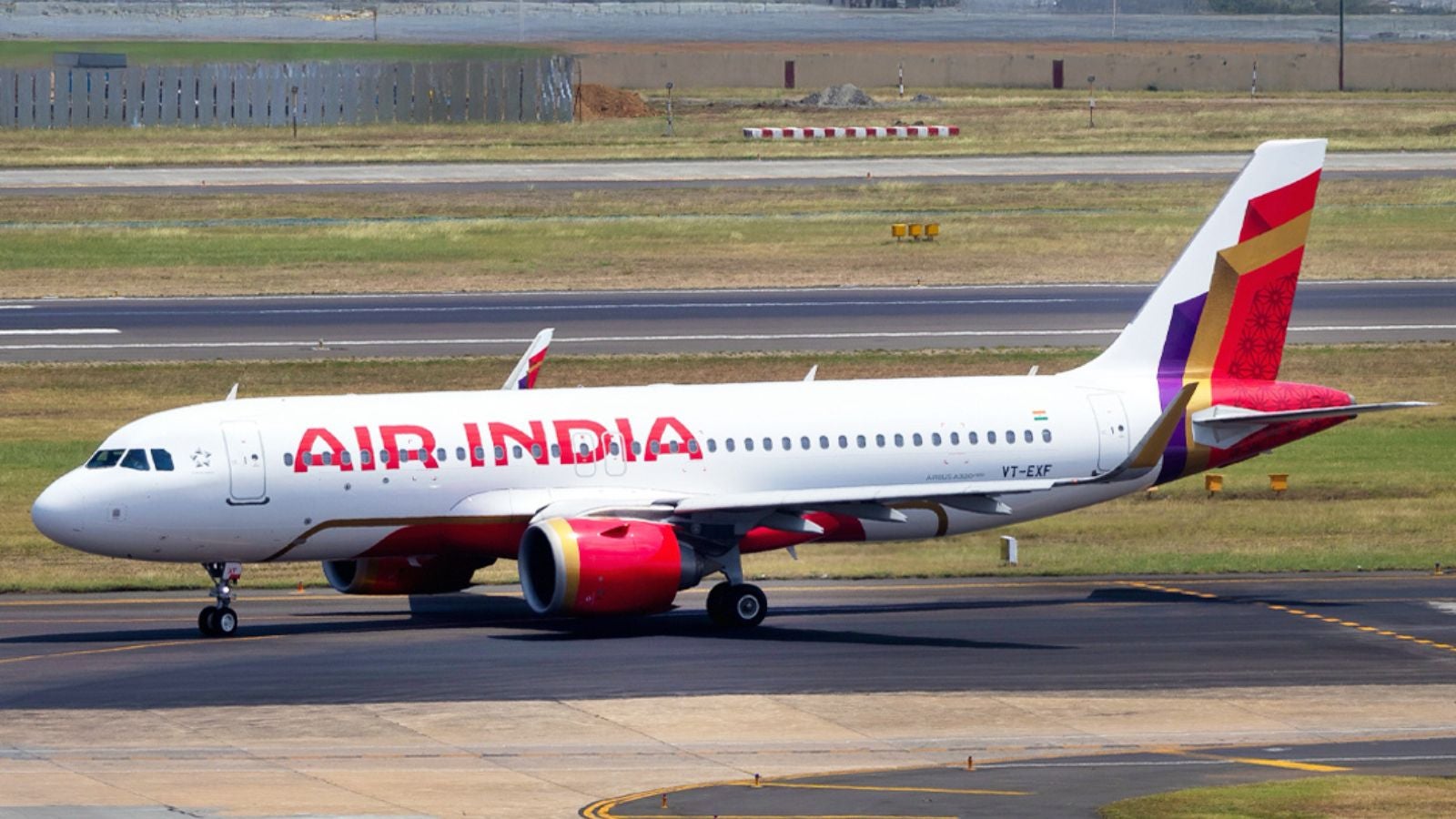
The Directorate General of Civil Aviation has taken custody of the flight data recorder and cockpit voice recorder from Air India flight AI2379, the Phuket–Delhi service that encountered severe turbulence on 4 August and left 17 people injured. The Airbus A320neo was carrying 137 passengers and eight crew when it experienced a sudden loss of roughly 300 feet while cruising near 36,000 feet. The event lasted around four to five minutes. Thirteen passengers and four cabin crew were taken to hospital. Most passengers have since been discharged while several crew members remained under care for spinal and related injuries. The aircraft continued to Delhi and landed safely.
Civil Aviation Minister Ram Mohan Naidu has confirmed that the black boxes are with the DGCA and that a full investigation is under way. The aircraft was isolated after landing. Public discussion has been clouded by viral videos of cabin damage and passenger accounts of being thrown from seats, yet the operational questions are more precise. Investigators will examine whether meteorological forecasting and dispatch briefing adequately identified the hazard, whether the chosen routing and altitude offered the best available options, whether the seat-belt sign was illuminated in time, whether cabin service timing left passengers and crew unsecured at the critical moment, and how clearly the risk was communicated once the turbulence began.
Severe clear-air or convective turbulence is becoming more frequent on routes that cross monsoon systems and subtropical jet streams. Indian carriers operate high-density narrowbody networks across regions where such conditions are common. The AI2379 investigation is therefore more than a single-event probe. It is India’s first high-profile test of whether existing procedures for forecasting, route selection, seat-belt discipline and cabin management are keeping pace with a changing atmosphere. If the data show that standard practices were followed yet injuries still occurred, the regulator will face pressure to tighten guidance on when the seat-belt sign must remain on, how aggressively crews should prepare the cabin, and whether meteorological products available to dispatchers need improvement.
The immediate lesson remains unchanged. Keep the seat belt fastened whenever seated. But the deeper issue is whether turbulence is still treated as an unavoidable weather inconvenience or as a structural safety risk that demands systematic operational responses. The recorders will establish the sequence of altitude change, speed variations and crew actions. The larger question is whether that sequence prompts lasting adjustments in how Indian airlines plan and fly through increasingly turbulent airspace.